
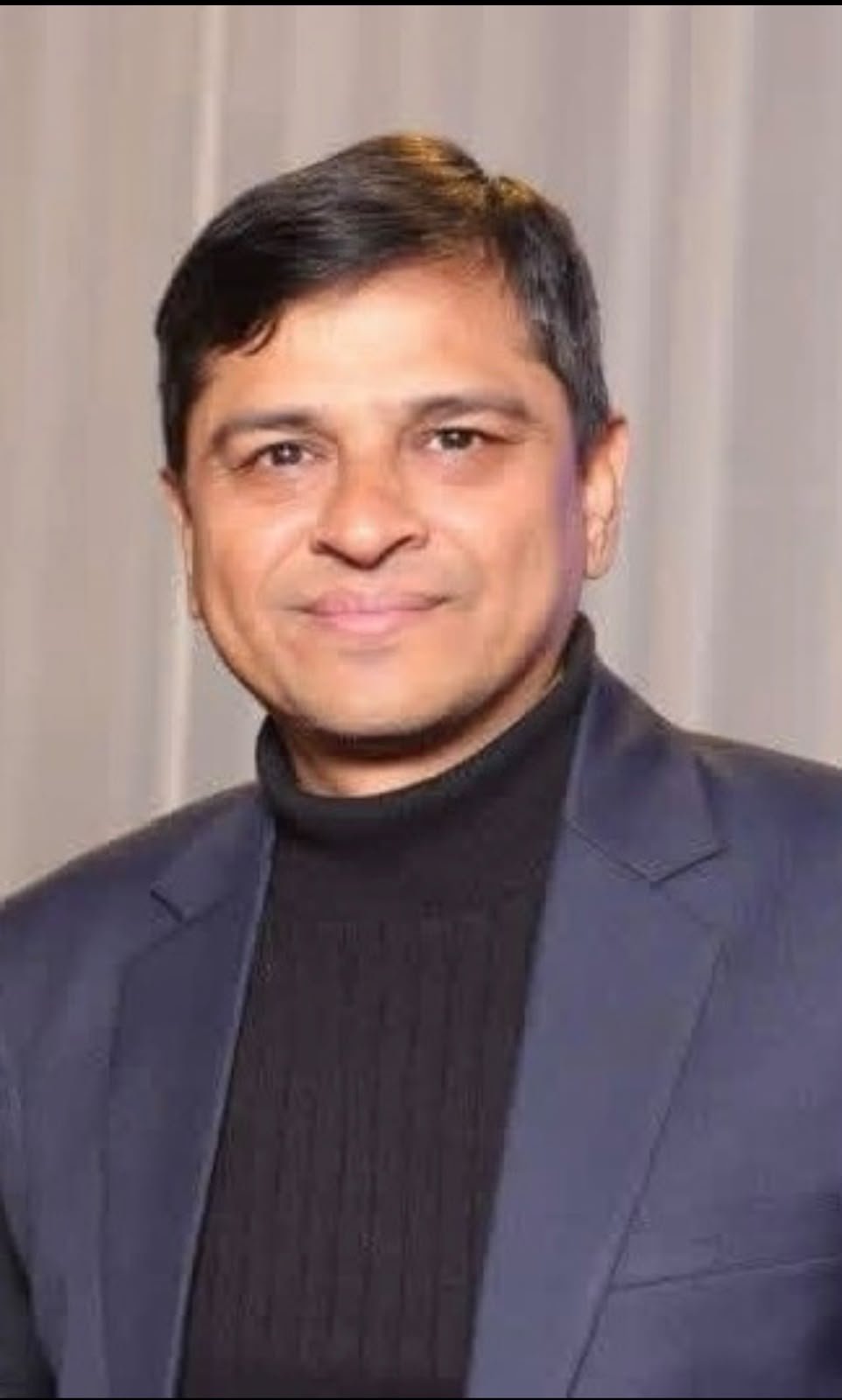
Rakesh Bhutiani
Prof. Rakesh Bhutiani is a remarkable educator and researcher affiliated with the discipline of environmental science. He is passionate about solving environmental problems and has done extensive research, publishing more than 135 papers in national and international journals of repute. Prof. Bhutiani is well versed in limnology, water and waste water treatment technology, conservation of renewable resources, and ecological studies. Being an educator in Gurukul Kangri (Deemed to be University), he not only teaches but also motivates his students and colleagues. His efforts in the field of environmental science have won him accolades as a pioneering environmental scientist, fundamentally changing the pace of research and teaching in this area.






Profile Introduction
Major (Prof.) Rakesh Bhutiani
Professor
Department of Zoology and Environmental Science, Gurukula Kangri (Deemed to be a University), Haridwar, Uttarakhand, India, 249404
Associate NCC Office (ANO)
31 Uttarakhand Battalion NCC, Haridwar, Uttarakhand, India
Personal Information
Current Thrust Areas
Blog
-
Good Research, Empty Pockets: The High Cost of Open Access Publishing
Good research should never be limited by a researcher’s ability to pay. This blog explores the financial challenges researchers face due to high open-access publication fees and examines how affordable journals, APC waivers, and diamond open access can make scientific publishing more equitable. Discover practical ways to publish quality research without paying excessive charges and why scientific excellence—not financial privilege—should determine the visibility of knowledge.
-
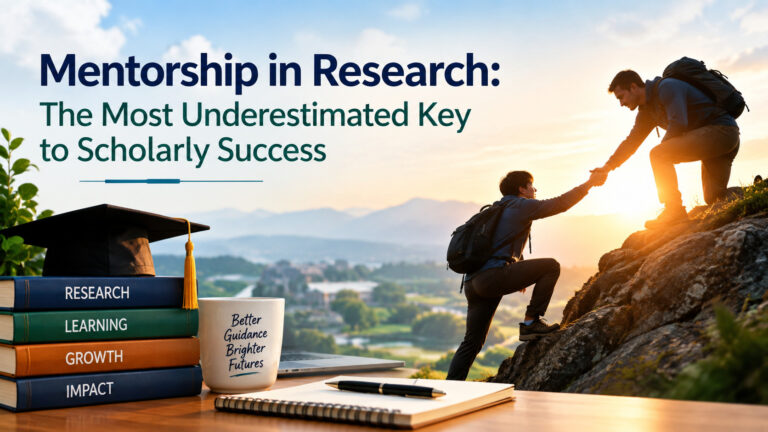
Mentorship in Research: The Most Underestimated Key to Scholarly Success (2026)
Behind every successful researcher is often a mentor who offered guidance, challenged assumptions, opened doors, and encouraged persistence when the path seemed uncertain. Research mentorship goes far beyond academic supervision—it shapes scientific thinking, research integrity, publication skills, and professional growth. In an increasingly competitive research landscape, meaningful mentorship can be the difference between simply conducting research and building a sustainable scholarly career.
-
No APC, No Problem! How ONOS Helps Researchers Worldwide Publish Open Access in Scopus Journals in 2026
Discover how the One Nation One Subscription (ONOS) initiative can help researchers worldwide access leading scholarly resources and explore opportunities to publish in Open Access Scopus-indexed journals without Article Processing Charges (APCs). This guide explains ONOS, its benefits for researchers, eligibility considerations, and how it can make quality research publication more accessible in 2026.Complete guide to eligibility, journal selection, application, documents, and APC payment.


References
Prof. D. R. Khanna
Former Head – Dept. of Zoology and Environmental Sciences, Gurukula Kangri (Deemed to be University), Haridwar
Email: [email protected]
Phone: +91-9897020147
Prof. Jaswant Singh
Head – Dept. of Environmental Sciences, R.M.L. Awadh University, Faizabad
Email: [email protected]
Phone: +91-9415717168
Prof. N. K. Agarwal
Deptt. of Zoology, H.N.B. Garhwal University, Srinagar, Garhwal
Email: [email protected]
Phone: +91-9412987440